10 Efficient Envelopes in Architecture
- 7 يناير 2023
- 5 دقيقة قراءة
An efficient envelope is a building's outer shell that is designed to reduce energy consumption and improve the overall energy efficiency of the building. An efficient envelope can help to reduce heating and cooling costs, improve indoor air quality, and increase the overall comfort of the building's occupants.
There are several key components that make up an efficient envelope, including:
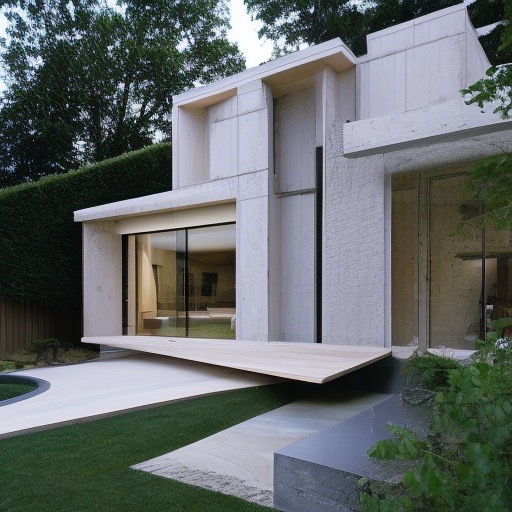
Insulation: Insulation helps to reduce heat loss or gain in a building by creating a barrier between the interior and exterior environments. Proper insulation can help to reduce energy consumption and improve the overall energy efficiency of the building.
Windows: High-performance windows can help to reduce heat loss or gain in a building by providing a better seal and a higher level of insulation. They can also help to reduce solar heat gain, which can help to reduce the need for air conditioning in the summer.
Doors: Energy-efficient doors can help to reduce heat loss or gain in a building by providing a better seal and a higher level of insulation. They can also help to reduce drafts and improve the overall comfort of the building's occupants.
Air sealing: Proper air sealing can help to reduce drafts and prevent unwanted air infiltration into the building. This can help to improve the overall energy efficiency of the building and reduce heating and cooling costs.
Roofing: A properly insulated and sealed roof can help to reduce heat loss or gain in a building and improve the overall energy efficiency of the building.
Wall construction: Properly insulated and sealed walls can help to reduce heat loss or gain in a building and improve the overall energy efficiency of the building.
Glazing: High-performance glazing, such as low-emissivity coatings or triple-paned windows, can help to reduce heat loss or gain in a building and improve the overall energy efficiency of the building.
Solar shading: The use of solar shading devices, such as overhangs or louvers, can help to reduce solar heat gain in a building and improve the overall energy efficiency of the building.
Geothermal systems: The use of geothermal systems, such as ground source heat pumps, can help to reduce the energy consumption of a building by using the earth's natural heat to heat and cool the building.
Passive design strategies: The use of passive design strategies, such as orienting the building to maximize solar gain in the winter and minimize it in the summer, can help to reduce energy consumption and improve the overall energy efficiency of the building.
One example of a building with an efficient envelope is the Empire State Building in New York City. The building, which was completed in 1931, underwent a major renovation in 2009 to improve its energy efficiency. As part of the renovation, the building's envelope was upgraded with improved insulation, high-performance windows, and energy-efficient lighting. These upgrades helped to reduce the building's energy consumption by 38% and its greenhouse gas emissions by 105,000 metric tons per year.
In addition to these upgrades, the building also implemented several other energy-saving measures, including the use of a cogeneration plant to generate electricity and heat, the installation of low-flow water fixtures, and the use of a building management system to optimize energy use. These measures have helped to further improve the building's energy efficiency and reduce its environmental impact.
Overall, the renovations to the Empire State Building's envelope and energy systems have helped to make it one of the most energy-efficient buildings in the world, and it serves as a model for other buildings looking to improve their energy efficiency.
Example of efficient envelope that has been used:
The Bullitt Center in Seattle, Washington is a six-story office building that was designed to be the most energy-efficient commercial building in the world. The building's envelope is heavily insulated and sealed to minimize energy loss, and it is equipped with high-performance windows and doors to reduce heat gain and loss. The building also has a green roof and a rainwater harvesting system to reduce its water usage and minimize its environmental impact.
The Passivhaus Standard is a set of design and construction standards that aim to create highly energy-efficient buildings. Buildings that meet the Passivhaus Standard are designed to use very little energy for heating and cooling, and they typically have highly insulated and sealed envelopes, high-performance windows and doors, and efficient mechanical systems.
The King Abdullah University of Science and Technology (KAUST) in Saudi Arabia is a research university that was designed to be highly energy-efficient. The campus is equipped with several energy-saving features, including a highly insulated and sealed envelope, high-performance windows and doors, and a solar panel array to generate electricity. The campus also has a district cooling system that uses seawater to cool the buildings, which helps to reduce energy consumption.
The Edge in Amsterdam, Netherlands is an office building that was designed to be the most energy-efficient office building in the world. The building's envelope is heavily insulated and sealed to minimize energy loss, and it is equipped with high-performance windows and doors to reduce heat gain and loss. The building also has a green roof and a rainwater harvesting system to reduce its water usage and minimize its environmental impact.
The Veridian at The Preserve in Dublin, California is a residential building that was designed to be highly energy-efficient. The building's envelope is heavily insulated and sealed to minimize energy loss, and it is equipped with high-performance windows and doors to reduce heat gain and loss. The building also has a green roof and a rainwater harvesting system to reduce its water usage and minimize its environmental impact.
The Passive House Institute in Darmstadt, Germany is a research and development organization that focuses on the design and construction of highly energy-efficient buildings. The institute's headquarters building is a model of energy-efficient design, with a heavily insulated and sealed envelope, high-performance windows and doors, and an efficient mechanical system.
The Timber Tower Research Project in Chicago, Illinois is a research project that aims to develop a 30-story wooden building that is highly energy-efficient. The building, which is still in the design phase, is expected to have a heavily insulated and sealed envelope, high-performance windows and doors, and an efficient mechanical system.
The Zero Energy Building in Singapore is a research facility that is designed to be highly energy-efficient. The building's envelope is heavily insulated and sealed to minimize energy loss, and it is equipped with high-performance windows and doors to reduce heat gain and loss. The building also has a green roof and a rainwater harvesting system to reduce its water usage and minimize its environmental impact.
The Zero Energy House in Tokyo, Japan is a prototype house that was designed to be highly energy-efficient. The house's envelope is heavily insulated and sealed to minimize energy loss, and it is equipped with high-performance windows and doors to reduce heat gain and loss. The house also has a green roof and a rainwater harvesting system to reduce its water usage and minimize its environmental impact.
The Carbon Neutral Residence in San Francisco, California is a residential building that was designed to be highly energy-efficient. The building's envelope is heavily insulated and sealed to minimize energy loss, and it is equipped with high-performance windows and doors to reduce heat gain and loss. The building also has a green roof and a rainwater harvesting system to reduce its water usage and minimize its environmental impact.


تعليقات