Converting Commercial Property into Residential: What you need to know.
- Jul 5, 2023
- 4 min read
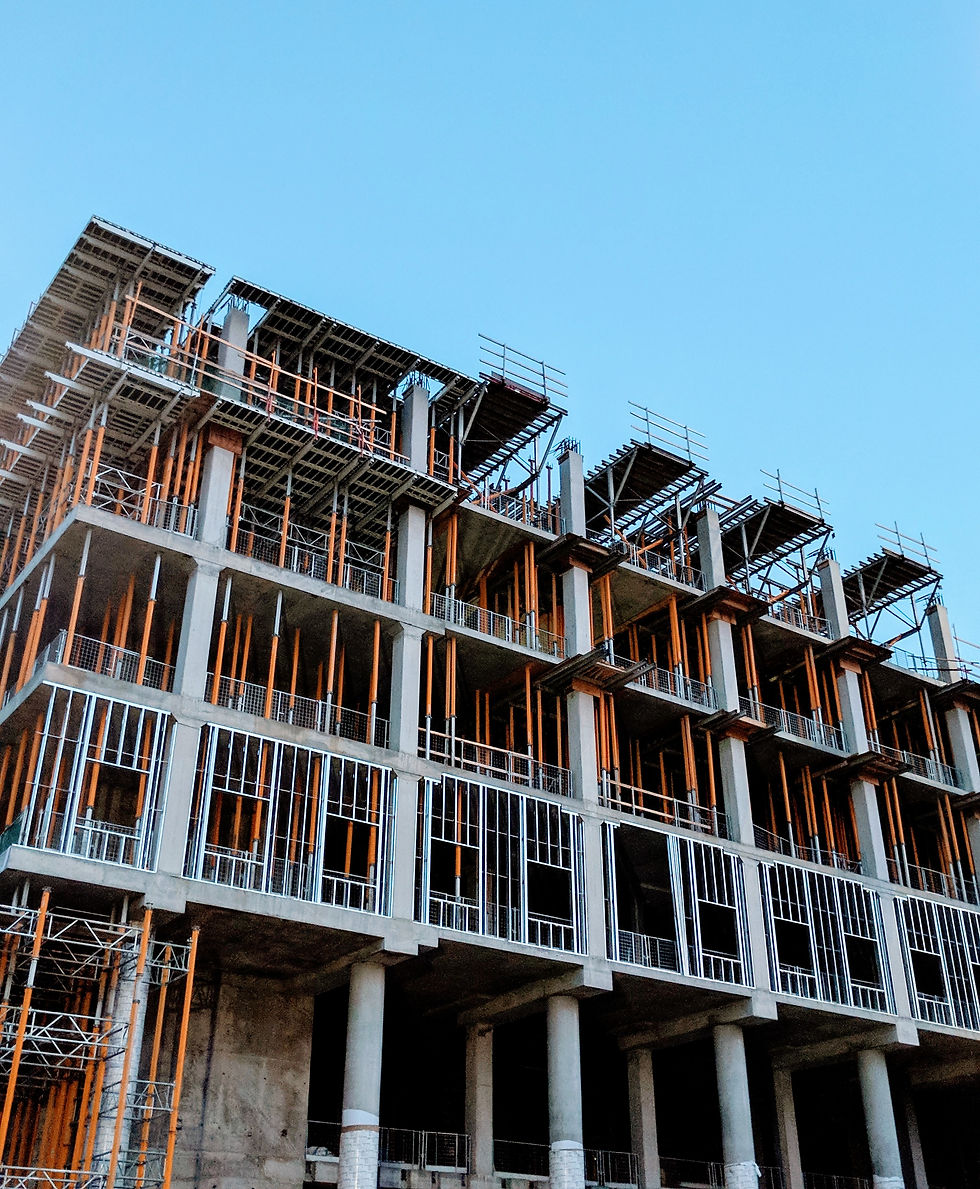
In recent years, the concept of converting commercial property into residential space has grown in popularity. Repurposing underused assets, satisfying housing demand, and revitalising metropolitan areas are just a few advantages of this change. However, there are a number of important stages and considerations involved in turning commercial premises into residential apartments. In this post, we'll walk you through the procedure and give you a step-by-step rundown of everything you need know about converting commercial property to residential space.
Step 1: Research and Due Diligence
Before embarking on a commercial-to-residential conversion project, thorough research and due diligence are essential. Consider the following aspects:
Local Zoning and Regulations: Understand the local zoning laws and regulations regarding property conversions. Check if the area allows mixed-use developments or residential conversions, and if any specific permits or permissions are required.
Market Demand and Feasibility: Evaluate the demand for residential units in the area where the commercial property is located. Consider factors such as demographics, rental or sale prices, and competition. Conduct a feasibility study to determine if the conversion is financially viable.
Building Assessment: Conduct a comprehensive inspection of the commercial property to identify any structural or environmental issues that may impact the conversion process. Evaluate the building's condition, including plumbing, electrical systems, and compliance with building codes.
Step 2: Planning and Design
Once you have established the feasibility of the conversion, the next step is planning and design. Consider the following factors:
Layout and Unit Design: Determine the desired number of residential units and their layout within the existing commercial space. Collaborate with architects and interior designers to optimize the floor plan and create appealing living spaces.
Amenities and Facilities: Assess the need for amenities and common areas, such as parking, recreational spaces, or communal facilities, to enhance the residential experience.
Compliance with Building Codes: Ensure that the proposed residential units meet the necessary building codes and safety regulations, including fire safety, accessibility, and ventilation.
Step 3: Obtain Necessary Approvals and Permits
Converting commercial property into residential space typically requires various approvals and permits. The following are common requirements:
Building Permits: Obtain the necessary building permits from the local authorities before commencing any construction or renovation work.
Change of Use Permit: Depending on the local regulations, you may need a change of use permit to convert the property from commercial to residential.
Environmental Assessments: In some cases, environmental assessments or impact studies may be required to address potential environmental concerns.
Step 4: Construction and Renovation
Once you have obtained the required permits and approvals, the construction and renovation process can begin. Consider the following:
Hire Qualified Contractors: Engage experienced contractors, architects, and other professionals who specialize in commercial-to-residential conversions. Ensure they have a proven track record and are familiar with local building codes.
Structural Modifications: Depending on the desired layout, structural modifications may be necessary. This could involve removing non-load-bearing walls, adjusting ceiling heights, or creating new entrances.
Utilities and Infrastructure: Upgrade or install necessary utilities such as plumbing, electrical systems, and HVAC (heating, ventilation, and air conditioning) to meet residential standards.
Step 5: Legal and Financial Considerations
As the project nears completion, address legal and financial considerations:
Insurance and Liability: Ensure that the property is adequately insured during the construction phase and once it becomes residential. Consult with insurance professionals to cover potential risks.
Financing and Funding: Secure appropriate financing for the project. Explore options such as loans, grants, or partnerships with investors.
Lease or Sale Agreements: Decide whether you will lease or sell the converted residential units. Consult legal professionals to draft lease or sale agreements and address any legal obligations.
FAQs
Is it legal to convert commercial property into residential space?
The legality of converting commercial property into residential space varies depending on local zoning laws and regulations. Some areas allow mixed-use developments or conversions, while others may have specific restrictions. It is important to research and understand the local regulations and obtain the necessary permits and approvals before proceeding with the conversion.
How do I determine the feasibility of a commercial-to-residential conversion?
Assessing the feasibility of a commercial-to-residential conversion involves evaluating market demand, conducting a feasibility study, and considering financial factors. Research the local housing market to understand the demand for residential units in the area. Analyze factors such as demographics, rental or sale prices, and competition. Conduct a thorough feasibility study to determine the financial viability of the conversion, taking into account construction costs, potential rental or sale income, and return on investment.
What are the key considerations when planning the design of converted residential units?
When planning the design of converted residential units, consider factors such as the desired layout, unit design, amenities, and compliance with building codes. Collaborate with architects and interior designers to optimize the floor plan and create attractive living spaces. Ensure that the proposed units meet building codes and safety regulations, including fire safety, accessibility, and ventilation.
What permits and approvals are typically required for a commercial-to-residential conversion?
The permits and approvals required for a commercial-to-residential conversion can vary depending on local regulations. Common requirements include building permits for construction or renovation work, change of use permits to convert the property, and environmental assessments or impact studies to address potential environmental concerns. It is crucial to consult with local authorities and obtain the necessary permits and approvals before commencing any work.
How can I finance a commercial-to-residential conversion project?
Financing options for a commercial-to-residential conversion project can include loans, grants, or partnerships with investors. Explore different financing options and consult with financial institutions to determine the most suitable approach for your project. It is also important to create a comprehensive financial plan that includes construction costs, renovation expenses, and ongoing operational expenses.
What legal considerations should I keep in mind during the conversion process?
During the conversion process, it is essential to address legal considerations such as insurance and liability coverage. Ensure that the property is adequately insured during the construction phase and once it becomes residential. Consult with insurance professionals to understand and cover potential risks. Additionally, work with legal professionals to draft lease or sale agreements for the converted residential units, addressing any legal obligations and protecting your interests.
Remember, every commercial-to-residential conversion project may have unique considerations based on the specific location and property. It is crucial to conduct thorough research, seek professional guidance, and comply with local regulations throughout the process to ensure a successful conversion.
Conclusion
Converting commercial property into residential space can be a rewarding and profitable endeavor. However, it requires careful planning, research, and adherence to regulatory requirements. By following these step-by-step guidelines and seeking the assistance of experienced professionals, you can successfully navigate the process of transforming commercial properties into thriving residential spaces that meet the demands of today's housing market.
Comments