Building Sustainability Factors and examples that improves urban design planning
- 1 ene 2023
- 3 Min. de lectura
Sustainability is becoming an increasingly essential factor in building design and operation. The decisions we make about how we design and utilize our buildings, from personal residences to commercial office buildings, may have a tremendous influence on the environment. In this blog article, we will look at some of the most important sustainability elements to consider when designing a building.

Energy Efficiency: One of the most important sustainability factors in buildings is energy efficiency. Heating, cooling, and lighting a building can be a major source of energy consumption, and choosing energy-efficient systems and appliances can help to reduce this consumption and lower greenhouse gas emissions. This can be achieved through the use of energy-efficient windows, insulation, HVAC systems, and lighting, as well as the use of renewable energy sources such as solar panels.
Water Efficiency: Water is another essential resource that is often taken for granted, but it is becoming increasingly important to use water efficiently in buildings. This can be achieved through the use of low-flow plumbing fixtures, rainwater harvesting systems, and greywater recycling systems.
Materials: The materials used in the construction of a building can also have an impact on its sustainability. Choosing materials that are locally sourced, recycled, or otherwise sustainable can help to reduce the environmental impact of the building.
Indoor Environmental Quality: The quality of the indoor environment can have a significant impact on the comfort and health of building occupants. Factors such as air quality, lighting, and temperature can all contribute to the overall indoor environmental quality of a building.
Landscaping: The landscaping around a building can also contribute to its sustainability. Using drought-resistant plants, incorporating green roofs or walls, and installing rainwater harvesting systems can all help to reduce the environmental impact of the building.
Overall, there are many factors to consider when it comes to sustainability in buildings. By making smart choices about energy and water efficiency, materials, indoor environmental quality, and landscaping, we can create buildings that are better for the environment and the people who use them.
Benefits of having Green buildings to improve urban planning:
There are many benefits to incorporating sustainability into the design and operation of buildings. Some of the key benefits include:
Cost savings: One of the main benefits of sustainability in buildings is the potential for cost savings. Energy-efficient systems and appliances, for example, can reduce energy consumption and lower energy bills. Similarly, water-efficient fixtures and recycling systems can help to reduce water consumption and costs.
Improved health and productivity: Sustainability can also have a positive impact on the health and productivity of building occupants. Features such as good air quality, natural lighting, and comfortable temperatures can all contribute to a better indoor environment, which can in turn lead to improved health and productivity.
Environmental protection: Sustainability in buildings can also help to protect the environment by reducing greenhouse gas emissions, conserving resources such as water and energy, and reducing waste.
Enhanced reputation: Companies and organizations that prioritize sustainability can often improve their reputation with customers, employees, and other stakeholders. This can be especially important for businesses that are looking to attract and retain top talent.
Increased value: Buildings that are designed and operated sustainably can also be more valuable. Energy-efficient and water-efficient features can make a building more attractive to potential buyers or renters, and can also increase the resale value of the building.
The PARKROYAL COLLECTION Pickering is a green hotel in Singapore that has been designed to be environmentally responsible and sustainable. Some of the green factors of the hotel include:
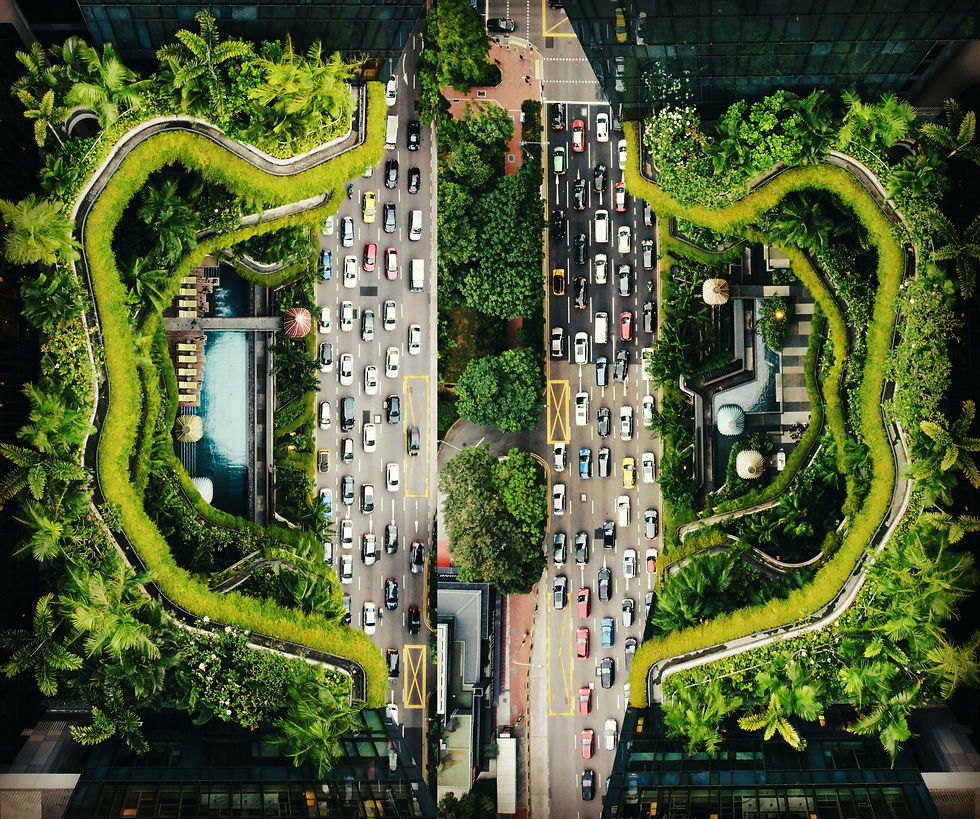
The hotel is designed to be energy-efficient, with features such as energy-efficient lighting and a building management system that helps to optimize energy use. Also, the hotel uses sustainable materials throughout its construction, including recycled steel and low-VOC (volatile organic compound) materials to improve air quality. It has green roofs that are covered in plants and help to reduce energy consumption, improve air quality, and provide habitat for local wildlife. Lastly, the hotel is also actively involved in the local community, with initiatives such as beach clean-ups and tree-planting programs.



Comentarios