London 240 Blackfriars Highrise -Everything You Need To Know
- Jan 13, 2023
- 17 min read
Updated: Jul 20, 2023
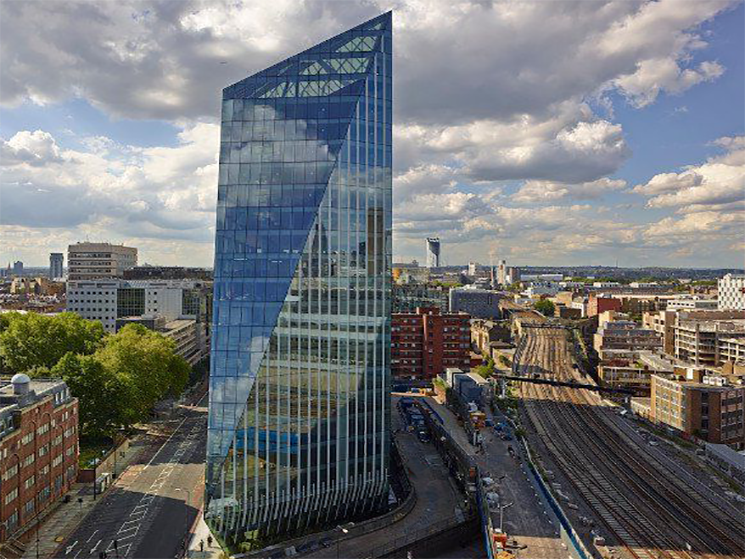
The building I will be discussing is 240 Blackfriars in Blackfair RD, London waterloo SE1 8NW. 240 Blackfriars was designed by award winning architects Allford Hall Monaghan Morris for Great Portland Estates. The cost of the project was £80 million. The construction period started in 2012 and ended in 2014. The use of buildings is mixed of offices and residential.
History of waterloo - A neighborhood in the heart of London, Waterloo is a component of Lambeth's Bishops ward. It is 1.6 miles east of Charing Cross. The area is a part of the Waterloo Quarter BID, which also contains The Cut and the Old Vic and Young Vic theatres. Waterloo is full of history like the battel of waterloo which “was fought on 18 June 1815 between Napoleon’s French Army and a coalition led by the Duke of Wellington and Marshal Blücher. The decisive battle of its age, it concluded a war that had raged for 23 years, ended French attempts to dominate Europe, and destroyed Napoleon’s imperial power forever”.
Waterloo in presence - Waterloo is an area where many businesses occur e.g., offices, hotels, restaurants, and cafes etc. According to travel Stay” Waterloo is one of the busiest parts of London thanks to its train station; in fact, it is estimated that around 170 million passengers use Waterloo Train Station each year!” This demonstrates how the architecture has attracted millions of tourists to the area which brings many advantages to waterloo like improving its economy.
History of 240 Blackfriar: The chiselled office tower at 240 Black friars underwent an unusual design evolution because the speculative office project had only 13 stories of original planning permission. However, after the accident, the developer Great Portland Estates changed its mind and opted to build an extra five stories while aiming for a higher BREEAM rating to draw in tenants. This decision increased the pressures on the M&E plant's environmental performance. Then it became 50 Storey, 170-metre high with a Fabulous panoramic view over the London skyline and Spacious light-filled residences consisting of 161-bedroom boutique hotel and landscaped piazza and Advanced technology.
The construction process took over 2 years. They used 68.5 tons of steel, 5 tons of aluminum, 55 tons of glass and half a ton of fixings. They have also used Double glazing, also known as insulated glazing, a window system composed of two panes of glass separated by a sealed air space. The purpose of the air space is to provide insulation, which helps to reduce heat loss and reduce noise.
The benefits of double glazing are numerous. Firstly, it improves the energy efficiency of a building by reducing heat loss through the windows. This can lead to significant energy savings, particularly in cold climates. Secondly, double glazing can reduce noise pollution by providing an acoustic barrier. Thirdly, double glazing can help to reduce condensation on the inside of the glass, which can be a problem in certain climates.
Architecture as Civic Creation
Design Successes
A design success is the use of Double curved Glass. Double glazing is commonly used in residential and commercial buildings and can be retrofitted to existing buildings and incorporated into new construction. The most common type of double glazing is the "air-space" double glazing where the gap between the panes of glass is filled with air. However, there are other types of double glazing such as "low-e" double glazing and "warm edge" double glazing which have additional performance characteristics.
Aesthetics: Double curved glass provides a unique, sculptural aesthetic that can enhance the visual appeal of a building. Its curved shape can create dynamic reflections and refractions of light, adding an element of visual interest to the building's exterior.
Improved thermal performance: The double curved glass surface allows for a larger area of glazing, which can increase the amount of natural light entering the building. This can lead to significant energy savings, particularly in cold climates. The curved shape also increases the surface area of the glass, which can improve its thermal insulation properties.
Enhanced structural performance: The curved shape of the glass can provide improved wind load resistance, which can enhance the structural integrity of the building. This can be especially beneficial in areas prone to high winds or earthquakes.
Increased durability: The way double curved glass is typically made is from tempered or laminated glass, which is stronger and more durable than traditional flat glass. This can help to increase the longevity of the building's windows and decrease maintenance costs.
Lastly, Double curved glass can be custom-shaped to fit unique architectural designs, which can provide greater flexibility for architects and designers.
In summary, double curved glass offers many advantages over traditional flat double glazing. It provides a unique aesthetic appeal, improved thermal performance, enhanced structural performance, increased durability, and customizable design. These advantages make double curved glass a desirable option for architects and designers when incorporating glazing into a building's design.
Double curved glass can have a positive impact on both the city and the environment. The use of double curved glass in building design can enhance the visual appeal of the city, creating a more attractive and dynamic urban environment. This can help to attract more visitors and businesses, leading to economic growth and revitalization. Also, it is energy efficient because it decreases the amount of heat loss which leads to significant energy savings and contributes to reducing the city’s overall carbon footprint. This can help mitigate the negative effects of climate change, such as sea-level rise and extreme weather events.
Moreover, the increased amount of natural light entering the building can reduce the need for artificial lighting during the day. This can lead to energy savings and improve the overall comfort of the building, promoting the well-being of the building occupants.
Lastly, the double curved glass can also act as an acoustic barrier, reducing the amount of noise pollution in the city. This can improve residents and workers' quality of life and help create a more peaceful and pleasant urban environment.
However, it is important to note that the use of double-curved glass in building design can also have negative effects on the environment, particularly if the manufacturing, transportation and installation process is not done sustainably. In addition, the energy required for double-curved glass can be significant, and if not produced sustainably, it can lead to a negative environmental impact. Therefore, it is important to ensure that double curved glass is incorporated into a comprehensive sustainability strategy that considers the entire life cycle of the building.
We live mostly within enclosed spaces. These form the Environnement from which our cultural group. ‘Our culture is a product of our architecture. If we wish to raise our culture to a higher level, we are forced for better or for worse to transform Ot architecture. And this will be possible only if we remove the enclosed quality from the spaces ... this can be done only through the introduction of glass architecture ... through the greatest possible number of walls that are made entirely of glass - colored glass. The new environment that ute shall thereby create must bring with it a neul culture.’ ‘Paul Scherbert.'
In summary, the use of double curved glass in building design can have a positive impact on the city, the environment and the building occupants by providing aesthetic appeal, energy efficiency, daylighting, noise reduction, and durability. However, it is important to consider the environmental impact of its production, transportation and installation in order to ensure its sustainable use in the city.
Another success is that the architecture of the 240 Blackfairs building has made a massive contribution to the place because it draws tourists to the area. Tourists that specifically visiting the area for the 240 blackfairs design e.g. students or designer. Tourism is a vital component of many local and national economies, providing a significant source of income and employment opportunities. The economic impact of tourism can be observed in various sectors, including but not limited to:
Hospitality and accommodation: Tourists require lodging, food, and other amenities during their stay, leading to the growth of hotels, resorts, and vacation rentals. This creates jobs and generates income for the local economy.
Transportation: Tourism drives the demand for transportation services such as airlines, buses, and rental cars. This leads to job creation and economic growth in the transportation sector.
Retail and Shopping: Tourists tend to purchase souvenirs and other items that are unique to the area they are visiting. This leads to an increase in sales for local retailers and artisans, resulting in economic growth.
Entertainment and Recreation: Tourists often engage in recreational activities such as visiting theme parks, museums, and other attractions. This drives the growth of entertainment and recreation businesses and creates jobs.
Property values: Increased tourism can lead to an increase in property values, as tourism can help to attract new businesses and residents to an area.
Infrastructure development: Tourism can lead to the development of new infrastructure such as airports, train stations, and transportation networks. This can lead to job creation and economic growth.
In conclusion, tourism plays a vital role in the economic development of many areas around the world. The various sectors of the economy, including hospitality, transportation, retail, entertainment, and recreation, all benefit from an influx of tourists. The spending of tourists on goods and services creates jobs and generates income for local businesses and communities, leading to economic growth. Also, tourism can also lead to an increase in property values and infrastructure development, which can positively impact the community.
However, it is also important to note that tourism can have negative effects on the environment and local culture if not managed responsibly. Therefore, it is crucial for governments and local communities to ensure that tourism is sustainable and that the benefits are shared equitably among all stakeholders.
Overall, tourism can be a powerful driver of economic development, but it is essential to ensure that it is managed in a responsible and sustainable manner, so that the benefits can be enjoyed by all.
Design Failures
One design failure is that the design of the 240 blackfairs removes the sensation of ancient architecture in London. This is because of the complete change in architectural materials in the design of 240 black Faris
The use of modern materials in the city can have a significant impact on the preservation of ancient architecture. One of the main ways in which modern materials can remove ancient architecture is through the process of demolition and redevelopment.
As cities grow and change, older buildings and structures may be demolished to make way for new developments, often using modern materials and construction methods. This can result in the loss of important historical and cultural resources, as well as the destruction of the city's architectural heritage.
Preserving and maintaining historical materials in cities is important for a variety of reasons. Firstly, it serves as a reminder of the city's past and its cultural heritage. Old buildings, monuments, and artifacts can tell the story of the city's development and its people, providing insight into the culture, customs, and traditions that have shaped the city over time. Additionally, historical materials can also serve as important educational resources for both residents and visitors. They can be used to teach about the city's history, architecture, and art, and can also be used to promote tourism and economic development.
Furthermore, preserving historical materials can also have practical benefits. Old buildings and structures can often be adapted for modern use, providing unique and interesting spaces for businesses, homes, and cultural institutions. This can help to revitalize neighborhoods and create a sense of community, as well as provide economic benefits by attracting tourists and investors.
Additionally, preserving historical materials can also contribute to the preservation of the city's architectural and cultural diversity. Many older buildings and structures are unique, and their loss can lead to the homogenization of the city's built environment, which can have a detrimental impact on the city's character and identity.
In conclusion, preserving and maintaining historical materials in cities is important for a variety of reasons, including cultural preservation, education, economic development, and architectural diversity. It can help to maintain the city's unique character and identity, as well as provide practical benefits for the community.
Another design failure is that the 240 Blackfairs high-rise building removes the view of shorter or ground level buildings in the city. The construction of tall high-rise buildings in the city can have several disadvantages..
One of the main concerns is the impact on the city's skyline and built environment. Tall buildings can dominate the skyline, obscuring views of historical and cultural landmarks and altering the character of the city. In addition, tall buildings can also create a sense of overcrowding and congestion, which can have a negative impact on the livability of the city.
Another concern is the impact on the environment. Tall buildings can cast long shadows, reducing the amount of sunlight that reaches the street level and negatively impacting the growth of plants and trees. They can also create wind tunnels, which can make it difficult for pedestrians to walk and can also increase the risk of accidents.
Tall buildings can also negatively impact the city's social and economic fabric. They can contribute to the displacement of residents, as land values and property taxes increase in areas where tall buildings are built. This can lead to the displacement of low-income residents, and the loss of community cohesion, as well as the loss of small businesses and cultural institutions. Additionally, tall buildings can also pose significant safety hazards. They can be difficult to evacuate in case of emergency, and can also be vulnerable to fire, wind, and earthquakes.
In conclusion, the construction of tall high-rise buildings in the city can have several disadvantages, including an impact on the city's skyline and built environment, environmental impacts, negative social and economic impacts, and safety hazards. It is important to consider these impacts when deciding to build tall buildings, and to take steps to mitigate them. This can include incorporating green spaces, creating a mix of building heights, and ensuring adequate evacuation plans. Additionally, a comprehensive and inclusive planning process that involves community input and participation is essential to minimize the negative impacts and maximize the benefits of tall high-rise buildings in the city.
Architecture as Spatial Agency Work
Design Successes
Living in a high rise building such as 240 blackfair has many benefits, some that is day to day benefits such as a noise free environment which is vital for people who suffer from high blood pressure or have had lived in a noisy place. A noise free environment helps people with high blood pressure and hearing loss. As stated by metro Its guidance suggests that “average noise exposure should only be 53dB – but the UN report showed that some Londoners experience 86 dB. Noise pollution has been strongly linked to increased levels of anxiety – which has knock-on effects on circulatory, heart and mental health.” This demonstrates how many people in London are exposed to noise pollution due to causing anxiety and heart issues which are considerable risk health problems. Therefore, this is one of the design successes of 240 blackfair.
Another success of 240 blackfair is that it provides cleaner air which is crucial for Living in the center of London as there are issues with air pollution in the city caused by “Road vehicles that are the single biggest cause of London's air pollution. They produce nearly half of all nitrogen oxides and emit tiny particles of rubber and metal - too small to see with the naked eye - into the air we breathe” (reported by the TFL). Air pollution has a massive effect on our health which is important to have a healthy livable space.
Furthermore, as the envelope of the 240 blackfair building is completely glass, it allows plenty of natural light to come in through windows and skylights. Which has several benefits
Increased productivity: Studies have shown that natural light can improve productivity, as it can help people feel more alert and awake.
Improved mood: Natural light has also been shown to improve mood and reduce stress, making it a better environment for people to work in.
Energy savings: Natural light can also help to reduce energy costs, as it can reduce the need for artificial lighting during the day.
Health benefits: Finally, natural light has been linked to a variety of health benefits, including improved sleep, increased Vitamin D production, and a reduced risk of certain health conditions.
Another important design success to mention of the 240 Blackfair building is the ventilation system. The ventilation system in buildings plays a crucial role in maintaining the health, comfort, and safety of the residents. it ensures that:
Improved Indoor Air Quality: Adequate ventilation can help to remove pollutants, such as chemicals, dust, and mold, from the indoor environment, which can have a negative impact on the health of occupants. This can help to reduce the risk of respiratory illness and allergies and can also improve overall comfort and well-being.
Temperature and Humidity Control: Proper ventilation can also help to regulate the temperature and humidity levels within a building, which can help to prevent the growth of mold and mildew and can also improve comfort for occupants.
Fire Safety: Proper ventilation can also help to reduce the risk of fire by providing an adequate supply of fresh air to the building, which can help to dilute any smoke or toxic gases that may be present in the event of a fire.
Energy Efficiency: An efficient ventilation system can also help to reduce energy consumption by providing fresh air to the building, which can help to reduce the need for heating and cooling, and can also help to reduce the load on the HVAC system.
Sound Insulation: A well-designed ventilation system can also help to reduce the transmission of sound between rooms and between different floors in a building, which can improve acoustic comfort for occupants.
In conclusion, the ventilation system in buildings is a crucial aspect of the overall design and functionality of a structure. Adequate ventilation is essential for maintaining a healthy and comfortable indoor environment for occupants, by providing fresh air and removing pollutants, moisture and odors. Additionally, proper ventilation can help to improve indoor air quality, temperature and humidity control, fire safety, energy efficiency, and sound insulation. It is important to ensure that the ventilation system is designed and installed correctly, to maximize its benefits and minimize the risk of indoor air pollution.
Overall, the 240 blackfair has many designs that make this building iconic and unique in the center of the city. The design improves residents' daily lives physically and mentally and is environmentally friendly and energy-saving.
Design Failures
Balcony
Balconies are an important feature in high-rise buildings for a number of reasons. They provide residents with access to outdoor space, which is essential for physical and mental well-being. Balconies also allow for natural light and fresh air to enter the building, reducing the need for artificial lighting and ventilation systems. Furthermore, balconies can improve the aesthetic appeal of a building and increase its value.
Balconies provide a small outdoor space for building occupants to enjoy. This can be especially valuable in urban settings where outdoor space is limited. Balconies can provide a place to relax, read, or simply enjoy the outdoors, which can have a positive impact on mental health and well-being. They can also allow more natural light to enter a building. This can help to improve mood and reduce stress, as natural light has been shown to have a positive impact on the health and well-being of building occupants. Providing additional ventilation for a building by opening windows or doors to a balcony, fresh air can be brought into the building, which can help to improve indoor air quality. Good indoor air quality can have a positive impact on respiratory health and overall well-being.
From an engineering perspective, balconies can also play a crucial role in the structural integrity of a building. They can serve as a means of bracing the building against wind loads and can help to distribute the weight of the building more evenly. This can help to reduce the amount of stress on the building's foundation and structure, making it more stable and less likely to suffer damage in the event of an earthquake or other natural disaster.
Overall, balconies are an important and necessary feature in high-rise buildings, providing both aesthetic and functional benefits for residents and contributing to the overall stability and safety of the structure.
Maintenace
The 240 Blackfriars has High maintained cost because it requires a significant amount of maintenance and upkeep, and the costs can be high, particularly for the elevators, HVAC systems, and other mechanical systems. Additionally, the height of the building can make maintenance more difficult and expensive, as it may require specialized equipment and personnel.
The maintenance of high-rise buildings can also present safety hazards, particularly for the maintenance personnel, as they may be required to work at heights, in confined spaces, and with hazardous materials. Also, there is Limited Access as the building's height can make it difficult to access certain systems and components for maintenance and repairs.
The 240 Blackfair and all High-rise buildings must also comply with a number of regulations and codes related to safety, accessibility, and energy efficiency, which can add to the complexity and costs of maintenance.
Safety
High-rise residential buildings can present a number of safety hazards that must be carefully considered and addressed to ensure the safety of the occupants. These hazards include:
The 240 Blackfair poses a significant risk in the event of a fire, as the height and complexity of the structure can make evacuation difficult. The use of flammable materials, the presence of large numbers of occupants, and the lack of natural light and ventilation can also contribute to the spread of fire. Also, it is subject to structural hazards, including the risk of collapse, structural failure, and damage from wind and earthquakes. These hazards can be exacerbated by poor construction, lack of maintenance, and the use of substandard materials.
Elevators are a critical component of high-rise buildings, and the failure of an elevator can have serious consequences, particularly in the event of a fire or other emergency. Elevator safety hazards include the risk of entrapment, mechanical failure, and power outages.
Another design issue is the unique challenges in terms of emergency response and evacuation, as the height and complexity of the structure can make it difficult for first responders to access the building and for occupants to evacuate. particularly for individuals with disabilities, the elderly, and those with mobility issues. These challenges can include the lack of accessible routes, elevators, and emergency exits. In conclusion, high-rise residential buildings can present a number of safety hazards that must be carefully considered and addressed to ensure the safety of the occupants. These hazards include fire safety, structural safety, elevator safety, emergency response and evacuation, and accessibility. It is important to ensure that high-rise residential buildings are designed, constructed, and maintained in compliance with the relevant safety codes and standards, and to have emergency response and evacuation plans in place. Additionally, regular inspection, maintenance, and testing of the building's safety systems and equipment should be done to ensure that they are in good working condition and to minimize the risk of accidents and injuries.
Under the definition of Architecture as Civic Creation
The blackfair is more of a success because of the design strategy it follows. It has many environmental successes that make it good. For example, noise-free, air pollution free, a good ventilation system. All these factors are crucial because they affect people's health, e.g., mentally, and physically. For example, noise and air can affect people and cause them to have anxiety, stress, hearing loss, and increased blood pressure as air pollution can affect our lungs.
It is also a success because of its envelope. The use of glass brings many advantages such as natural light which is primary need to reduce the need for artificial lighting during the day which can save energy as study indicates natural light is essential for our well-being in a building. The envelope of the 240 blackfair also brings great scenery for its users to enjoy the surrounding environment. This is beneficial in an urban environment as it connects people with the outdoors and provides a sense of openness.
Even though modern materials can have a significant impact on the preservation of ancient architecture. One of the main ways modern materials can remove ancient architecture is through demolition and redevelopment. 240 Blackfairs high-rise building removes the view of shorter or ground level buildings in the city. The construction of tall high-rise buildings in the city can have several disadvantages. Such as the impact on the city's skyline and built environment. Tall buildings can dominate the skyline, obscuring views of historical and cultural landmarks and altering the character of the city. Tall buildings can cast long shadows, reducing the amount of sunlight that reaches the street level and negatively impacting the growth of plants and trees which overall affects the area’s environment in the surrounding.
Under the definition of Architecture as Spatial Agency Work
Overall, I think the 240 Blackfair building is more of a success than a failure because of its unique and amazing design that is very environmentally friendly. Providing noise-free, clean air and natural light which helps with energy efficiency. Also, it has a massive effect on the economy attracting more tourists which leads to providing more jobs in the center of London, which improves the overall dynamic of the city, bringing tourists from diverse cultures. Even though, the construction process of the project requires high Maintenace costs and has many safety issues e.g., evacuating elevator and fire issues. Also, the design has many design successes such as the ventilation system which improves temperature and Humidity Control and can also help to regulate the temperature and humidity levels within a building and prevent molding. This improves energy efficiency by reducing energy consumption by providing fresh air to the building. Also, the daily advantages like a quiet atmosphere, which is essential for people with high blood pressure or who have previously lived in a noisy setting. People with hearing loss and high blood pressure benefit from being in a quiet area. Anxiety is significantly correlated with noise pollution, and anxiety has been shown to negatively impact cardiac, circulatory, and mental health. This overall demonstrates the design success and how well the 240 blackfair preforms in terms of user experience in the building and the impact on their health and the surrounding environment.
Even though, Due to the building's height and complexity, evacuating 240 Blackfair could be challenging in case of a fire. The spread of fire may also be aided by the usage of combustible materials, a dense population of residents, a lack of natural light, and inadequate ventilation. Additionally, it is vulnerable to structural risks, such as the possibility of collapse, structural failure, and wind and earthquake damage. Poor building practices, a lack of maintenance, and the use of subpar materials can make these dangers worse. High-rise building maintenance can also pose safety risks, especially for the maintenance staff who may need to operate at heights, in cramped areas, and with dangerous materials. Additionally, there is Limited Access since it may be challenging to access some systems and components for upkeep and repairs due to the height of the building. This demonstrates that maintaining the building will not be a complex and challenging task as well as fire and evacuation issues which should be addressed drastically after the Grenfell Tower incident.

Comments