Tips for Architecture Physical Model
- Jan 4, 2023
- 3 min read
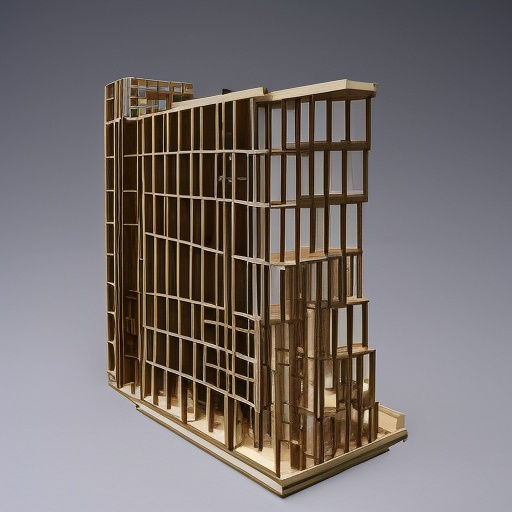
Creating a physical model of an architectural design can be a fun and rewarding process, but it can also be challenging. Here are a few tips to help you succeed:
Firstly, start with a detailed plan or blueprint: Before you begin building your model, make sure you have a clear and accurate plan to follow. This will help you visualize the finished product and ensure that your model is accurate and to scale.
Use the right materials: Different materials will work better for different parts of your model. For example, foam boards can be easily cut and shaped for creating hills or terrain, while balsa wood is lightweight and great for creating structural elements like beams and columns.
Pay attention to details: Adding small details like windows, doors, and landscaping can bring your model to life. Take your time and be as accurate as possible when adding these details.
Use lighting to your advantage: Proper lighting can make a huge difference in the overall look and feel of your model. Consider adding spotlights or other types of lighting to highlight specific features or create a certain atmosphere.
Don't be afraid to ask for help: If you're having trouble with a particular aspect of your model, don't be afraid to ask for help. This could be from a friend or family member, or you could even seek out an expert in architectural modeling.
By following these tips, you'll be well on your way to creating a beautiful and accurate physical model of your architectural design. Good luck!
Importance of the physical model in architecture?
There are several reasons why physical models are important in architecture:
Visualization
A physical model allows architects and clients to see what the finished project will look like in three dimensions, which can be much easier to understand than looking at 2D blueprints or renderings.
Communication
A physical model can be a great tool for communicating design ideas to clients, contractors, and other stakeholders. It allows everyone to get a sense of the scale, layout, and overall aesthetic of the project.
Testing and refinement
A physical model can help architects test out different design elements and see how they work together in real life. This can help identify any potential problems or areas for improvement before construction begins.
Marketing
A physical model can be a powerful marketing tool, particularly for large-scale projects. It can help attract investors and generate public interest in the project.
3d printing in architecture
3D printing has the potential to revolutionize the field of architecture by providing a quick and efficient way to create physical models and prototypes. Here are a few ways that 3D printing is being used in the world of architecture:
Model making: Traditionally, architects have used a variety of materials like foam board, wood, and plastic to create physical models of their designs. 3D printing allows them to create models with greater accuracy and detail, and at a faster pace.
Prototyping: 3D printing can be used to quickly create prototypes of design elements like furniture, fixtures, and even entire buildings. This allows architects to test out different ideas and make adjustments before committing to a final design.
Construction: In the future, it's possible that 3D printing could be used to construct buildings. This would involve printing the building components layer by layer, potentially using materials like concrete or even recycled plastic.
Customization: 3D printing allows for the creation of highly customized designs that would be difficult or impossible to achieve using traditional manufacturing techniques. This opens up new possibilities for architects to create unique and personalized structures.
Overall, 3D printing has the potential to greatly impact the field of architecture by providing a faster and more efficient way to create physical models and prototypes, and even potentially revolutionize the construction process.


Comments